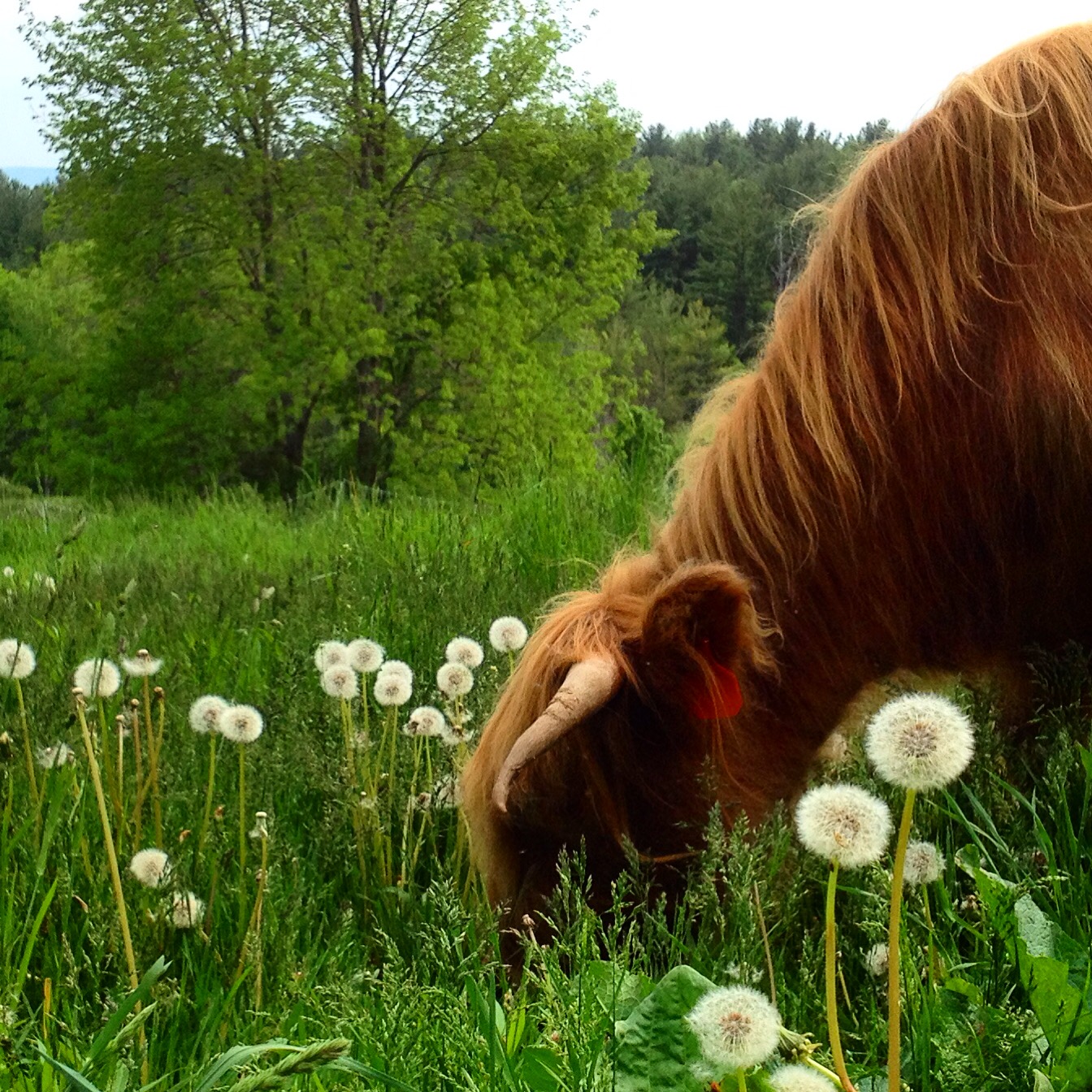
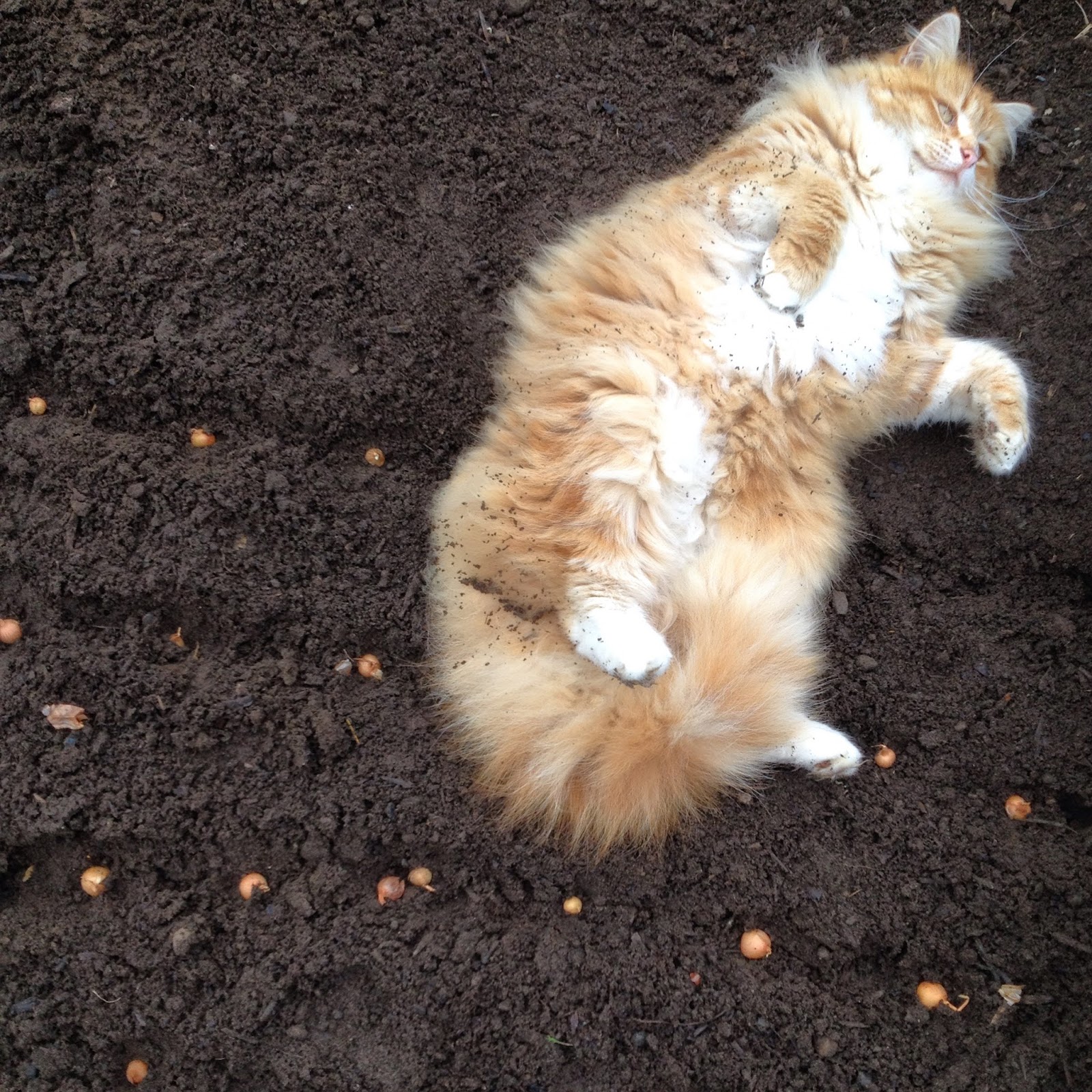
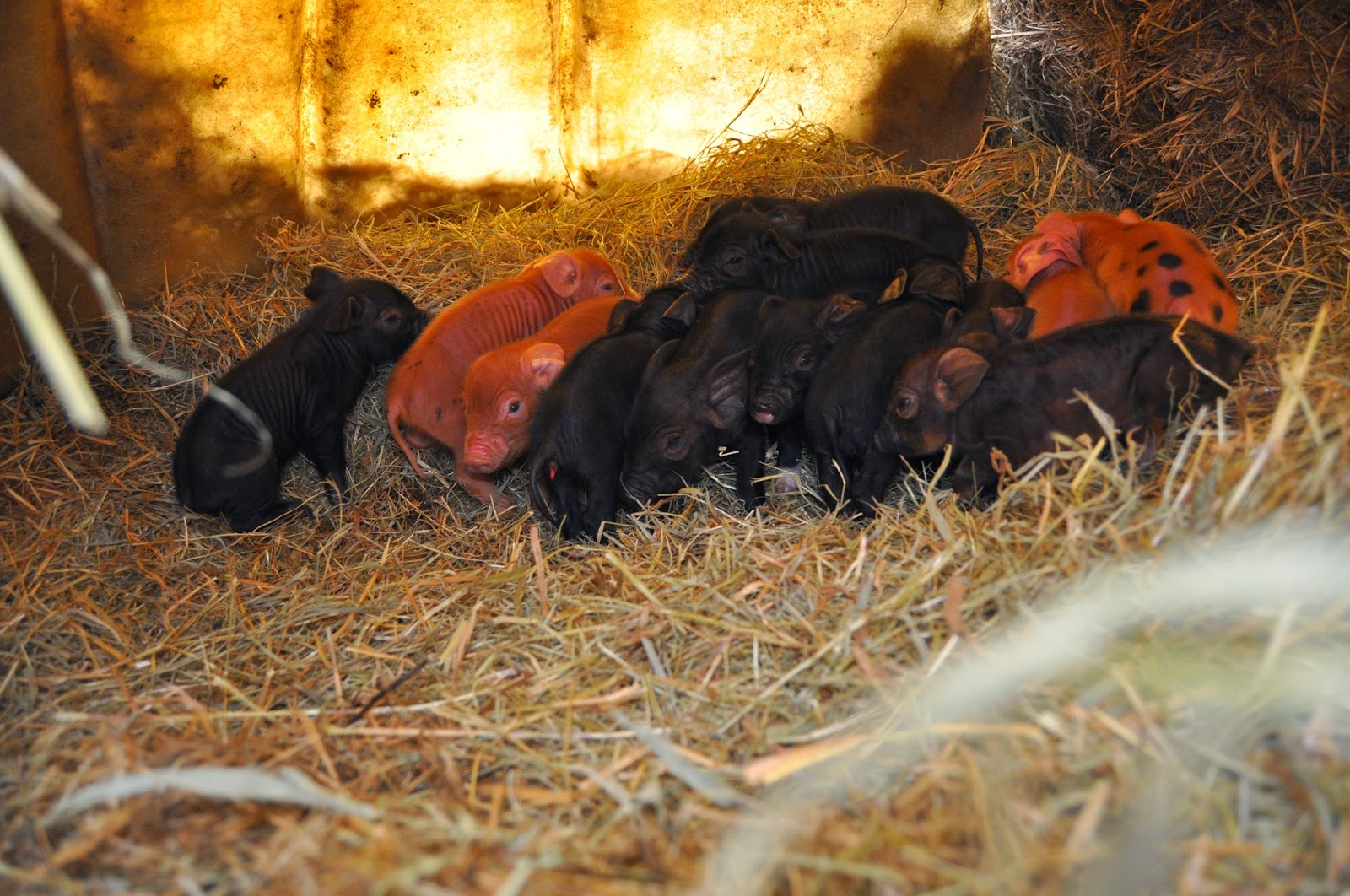
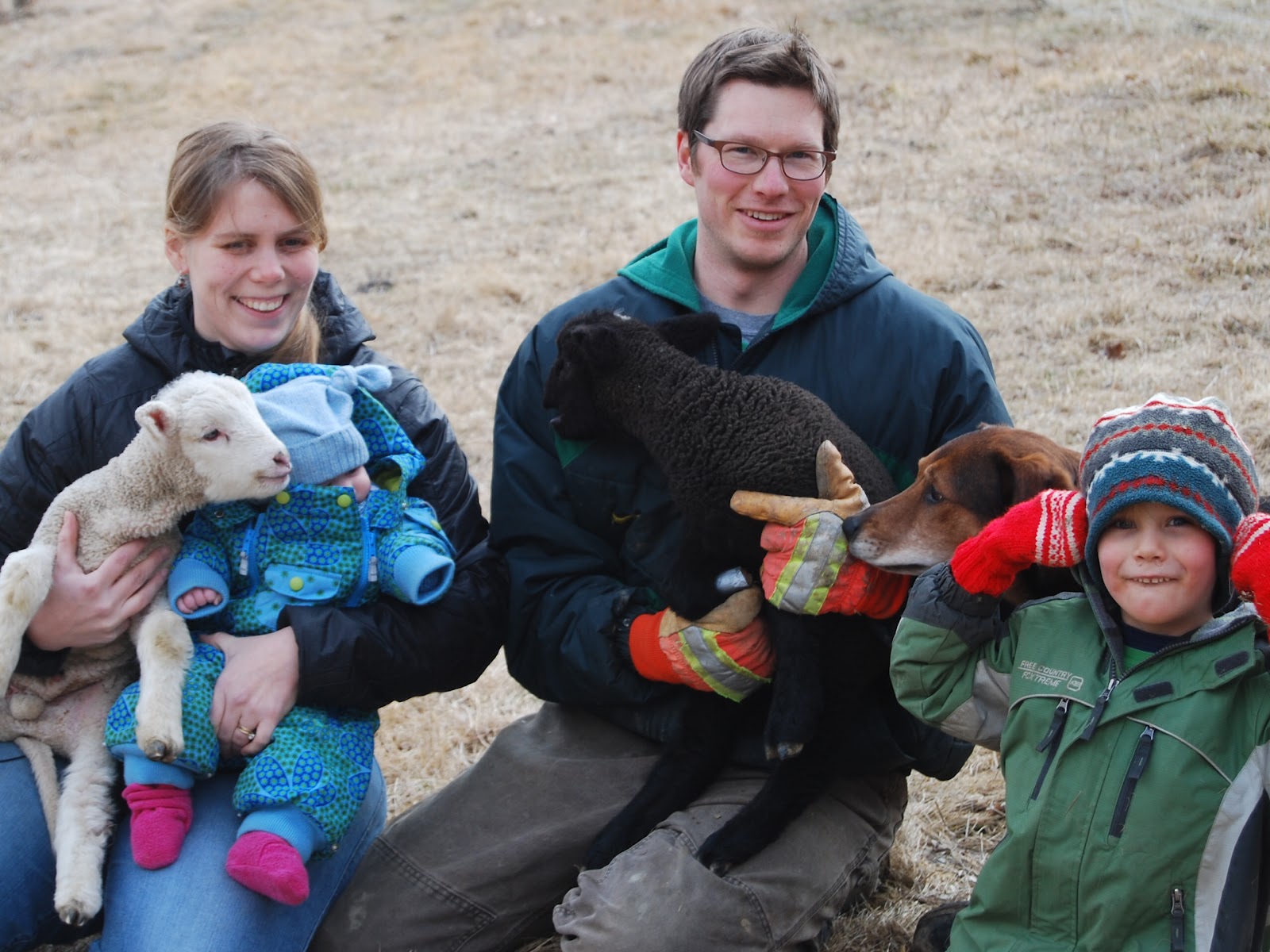
Formerly,Bar None Ranch, of Berlin, NY, we are now Climbing Tree Farm, of New Lebanon. We raise PASTURED PORK, POULTRY, EGGS, and LAMB. We keep our animals true to their instincts- letting our pigs dig, our chickens range, our sheep graze. We feed local grain, graze rotationally on pasture and are working towards silvo-pasturing. We work with local raw milk dairies to feed our pigs whey and milk. We are conscientious stewards of the land, and our animals.


You can find us at:
The Lebanon Valley Farmer's Market- New Lebanon, NY
Downtown Pittsfield Farmer's Market- Pittsfield, MA
Fish and Game- Hudson, NY
Abode Farm CSA- New Lebanon, NY
Castle Street Cafe- Great Barrington, MA
On fine menus throughout Brooklyn and Manhattan, NY
Wholesale to individuals and businesses

Schuyler and Colby Gail
* 436 West Hill Rd. *New Lebanon, NY * 12125 *
*(413) 884-3446* bigbug9@juno.com*

Monday, May 6, 2013

New Lambs on New Land!


30 New lambs in the truck and in the trailer.
Unloading from the truck.
Carrying to the fence.


Lambs on new pasture.
Farm kid entertaining himself with a plastic bag and a stick while his parents work...
farm kids are creative!

Good end to a good day!
 
Exciting things are happening at the farm. We signed a lease with a neighbor, which increased our farm-able/grazing land an unbelievable amount. We are feeling incredibly lucky. THANK YOU LAND OWNER! We will be using our animals to rehabilitate portions of this new land, as well as creating delicious food. A true win/win situation!

Also new at the farm are these woolly little guys. A Romney cross, these lambs are durable, disease resistant, well-behaved, adorable, have beautiful fleeces and will taste yummy too! Happy to have them joining us on the farm.

NY Times Article: Report on U.S. Meat Sounds Alarm on Resistant Bacteria

This NY Times article is worth a read:


Report on U.S. Meat Sounds Alarm on Resistant Bacteria


The data, collected in 2011 by the National Antimicrobial Resistance Monitoring System — a joint program of the Food and Drug Administration, the Agriculture Department and the Centers for Disease Control and Prevention — show a sizable increase in the amount of meat contaminated with antibiotic-resistant forms of bacteria, known as superbugs, like salmonella, E. coli and campylobacter.
The government published the findings in February, but they received scant attention until the Environmental Working Group issued its report, “Superbugs Invade American Supermarkets,” which was partly underwritten by Applegate, which sells organic and antibiotic-free “natural” meats.
“The numbers are pretty striking,” said Dawn Undurraga, the nutritionist for the group, a health research and advocacy organization. “It really raises a question about the antibiotics we are using in raising animals for meat.”
Academic veterinarians who work with the International Food Information Council, financed in part by major food companies, and with the U.S. Farmers and Ranchers Alliance, which receives some financing from veterinary pharmaceutical companies, criticized the report as misleading.
“The No. 1 misunderstanding about antibiotics in animal agriculture is that it is not understood well enough that antibiotics are used to keep animals healthy, period,” said Randall Singer, a professor of veterinary science at the University of Minnesota.
Professor Singer noted the limited number of samples in the federal data, 480 samples each of ground turkey, pork chops and ground beef, and chicken breasts, wings and thighs, compared with the huge amount of meat sold in the United States. “We should not assume that when we find resistance to antibiotics in humans, it means it was caused by the use of antibiotics in animals,” he said.
Many animals grown for meat are fed diets containing antibiotics to promote growth and reduce costs, as well as to prevent and control illness. Public health officials in the United States and in Europe, however, are warning that the consumption of meat containing antibiotics contributes to resistance in humans. A growing public awareness of the problem has led to increased sales of antibiotic-free meat.
The Agriculture Department has confirmed that almost 80 percent of all antibiotics sold in the United States are used in animal agriculture, and public health authorities around the world increasingly are warning that antibiotic resistance is reaching alarming levels.
“We don’t have a problem with treating animals with antibiotics when they are sick,” Ms. Undurraga said. “But just feeding them antibiotics to make them get bigger faster at a lower cost poses a real problem for public health.”
The F.D.A. has recommended that the use of antibiotics in farm animals be “limited to those uses that are considered necessary for assuring animal health,” but its guidance is only voluntary.
Supermarkets increasingly are labeling meat that does not contain antibiotics, just one sign of the growing consumer awareness of the issue.
The federal researchers tested for the enterococcus bacteria, which is an indication of fecal contamination. Enterococcus also easily develops resistance to antibiotics, and it easily can pass that resistance on to other bacteria.
Two species of the bacteria, Enterococcus faecalis and Enterococcus faecium, are the third-leading cause of infections in the intensive care units of United States hospitals.
Some 87 percent of the meat the researchers collected contained either normal or antibiotic-resistant enterococcus, suggesting that most of the meat came in contact with fecal material at some point.
“That’s a big percentage they’re throwing around, but that organism itself on food or in an animal has little or no relationship to human health,” Professor Singer said.
Of the chicken breasts, wings and thighs the monitors tested, 9 percent of the samples were contaminated with a variety of salmonella that resists antibiotics, while 26 percent contained antibiotic-resistant campylobacter.
Ten percent of the ground turkey tested contained resistant salmonella.
More stark was the proportion of microbes identified that were resistant. Of all the salmonella found on raw chicken pieces sampled in 2011, 74 percent were antibiotic-resistant, while less than 50 percent of the salmonella found on chicken tested in 2002 was of a superbug variety.
This article has been revised to reflect the following correction:
Correction: April 24, 2013
An article last Wednesday about a report that found a sizable increase in the amount of meat contaminated with antibiotic-resistant forms of bacteria misstated part of the name of the organization that issued it. It is the Environmental Working Group, not the Environmental Work Group.
 
 
Find this article at: http://www.nytimes.com/2013/04/17/business/report-on-us-meat-sounds-alarm-on-superbugs.html?_r=0

Monday, April 22, 2013

Know Your Farmer' Pasture


As farmer's we are curious about how other farmers do their work. When we take a drive we always crane our necks as we pass other farms. Some we want to emulate, the ones that have vibrant, bright green grass and healthy animals. Others make us cringe, those are the ones where the animals are up to their knees in mud and feces, and the pigs are eating doughnuts.


We sell "pasture-raised" meats and eggs. In the past several years, the term "pasture-raised" has become increasingly popular. Unfortunately, both the green-grass-farm and the poo-doughnut-farm described above can be marketed as "pasture-raised." Right now there are no qualifications that must be met in order to call one's product "pasture-raised." We're not huge fans of government regulation, and jargon isn't particularly important to us. However, as a farmer who sells "pasture-raised" meats, I feel I owe it to you (as a consumer) to tell you that not all pastures are created equal. In my opinion, calling an animal raised on baked goods in a sloppy poo mess of a field "pasture-raised" is a stretch (at best). People say "know your farmer," which is great, but I say take it further and know your farmers' pasture. I know it's annoying, and that it would be much easier to pick up any old package of meat labeled "pasture-raised," but next time you're on a drive start craning your neck to check out those pastures on the way by. Buy from the farms whose animals are grazing on grass, not turds, and you'll get a tastier, healthier piece of meat, as well as supporting a farmer who takes the time to care for his/her animals and land.

In case you hadn't guessed...ours is the green grass kind of farm.
 

I could go on and on about this, but fortunately Twilight Greenaway already has in this article, which is worth reading:

‘Pasture-Raised’: Can This Under-the-Radar Food Label Go Legit?

Twilight Greenaway ‘Pasture-Raised’: Can This Under-the-Radar Food Label Go Legit?


As the beyond-organic term becomes more popular,

 concerns arise about maintaining its true meaning.


April 5, 2013


Visitng the pasture-raised tukrey at Joel Salatin's Polyface Farm. (Photo: The Washington Post/Getty Images)


“Pasture-raised.” In recent years these descriptive, evocative words have become synonymous with the real thing: Meat and eggs produced on open fields, generally at a scale that is both humane and ecologically friendly. In other words, it has become the anti-factory-farming label, more likely to show up in places like farmers markets and websites advertising animal shares and meat CSAs.

And when it comes to meat, some producers (and their customers) see “pasture-raised” as a step beyond organic. That designation has some standards in place for the animals’ access to the outdoors, but organically raised livestock still often relies heavily on grain-based feed rather than grass and the other wild foods (and bugs) found on open pasture.


Pasture-raised has gone hand-in-hand with practices that are transparent and integrity-filled since 1996, when Joel Salatin used the term in his book Pastured Poultry Profits. But here’s the catch: it may not always. “Pasture-raised” has no rules, no formal definition, no regulation, and therefore no enforcement behind it. And just like “free range,” a term which likely started out as a legitimate claim and now has come to mean very little, “pasture-raised” may be on the verge of mass appeal—and the eventual dilution that comes with it.

In fact, as “pasture-raised” and its cousin “pastured” begin appearing in big grocery stores, on everything from meat to milk and egg cartons, it’s already beginning to raise a number of complicated questions.

Marilyn Noble at the American Grassfed Association admits that a great deal of the meat she buys directly from the local farmers in her area is labeled “pasture-raised” —especially if it’s chicken or pork, which cannot technically be grassfed (a term that only applies to ruminant animals, such as cows, sheep, and bison). But it’s the relationships she has with farmers—and the transparency that allows—rather than the label that keeps her coming back.

“If you see grassfed on a label,” she adds, “it means that the animals were fed nothing but grass and forage from weaning to harvest. And usually there’s been no confinement at any point during their lives. It’s a very broad definition, but if you see it on a label, you know it’s been approved by The Food Safety and Inspection Service (FSIS) and has meaning behind it. Pasture-raised means whatever the person using it wants it to mean.”

Andrew Gunther, Program Director of the third-party certifier Animal Welfare Approved, agrees.

“The problem with ‘pastured’ and ‘pasture-raised’ is that they’re very bucolic. Someone comes up with a nice phrase to evoke a feeling in their production system, and someone else will come along and steal it.”

Case in point? The NatureRaised line that Tyson Foods plans to release this month. The new antibiotic-free product can be seen as a step in the right direction for the chicken giant, but it’s very likely the birds are raised a very long way from anything Nobel or Gunther would recognize as pasture.

“The [pasture-raised] brand has been below the radar,” says Gunther, “and it’s beginning to be on more people’s radars. But if people want to use it with depth and meaning, they have to protect it.” And that, he adds, can only happen by defining it on a formal level—and enforcing that definition.

Kelley Escobedo, who co-owns South Texas Heritage Pork with her husband, Mark, uses the term to describe her products. “I tell people to look for pasture-raised, but I also tell them to get to know your farmer, because I’ve seen farmers use that term very loosely,” she says.

And although the Escobedos started farming—like many do—so they could do things their way, she also now recognizes the value of formalizing (and regulating) the labels we put on our food.

That said, it would be especially tough to regulate a term like pasture-raised, because, as Escobedo puts it, “different farmers are working with so many different environments and conditions. What if it’s snowing for a big part of the year? And animals being outside is less healthy for them?” On the other hand, farming has made her a very savvy shopper.

“When I look at this as a consumer, I don’t want to just see a pretty pictures of pastures. I want to know how the animals are actually are raised. So if there was a way to incorporate the terminology around pasture into some kind of official labeling, it would help consumers a lot.”

Just to make things extra confusing, meat, eggs, and dairy producers all appear to have different uses for the term pasture-raised. In the case of eggs, Vital Farms is working to define it as its corporate brand on their own terms. A relatively new national company, Vital appears to be genuinely pushing the limits of what a nationwide egg brand can do by working with a number of smaller farms and holding up a stringent-sounding set of pasture standards, and the use of certified-organic feed. The down side? An uninformed consumer might take the answer to the question “What is pasture-raising?” on their Frequently Asked Questions page to apply to all foods made by companies that make that claim. And, again, that opens up the market to imposters and opportunists looking to get in on the latest buzzword.

In the case of dairy, the national co-op-based brand Organic Valley, has recently begun using the term “pasture-raised” on some of their products and in their marketing materials. However, according to Eric Snowdeal, Organic Valley’s Milk and Cream Product Manager, the company sees “pasture-raised” as applying to all organic milk.

According to Snowdeal, Organic Valley was instrumental in pushing for the current organic milk pasture guidelines, which were decided on back in 2010, and require that all organic-milk-producing cows spend at least 120 days of the year grazing on pasture, and get at least 30 percent of their remaining food from pasture (in the form of hay or silage). Organic Valley has heavily embraced pastoral imagery and much of their packaging is now covered with cows, grass, and happy farmers.

“Grazing and pasturing is a fundamental principle of organic farming,” says Snowdeal. “It’s inherently different from non-organic milk—and that’s what we want to communicate to people.” And although many of Organic Valley’s cows live in places where they can graze for an even larger portion of the year, and the company prides itselves on going above and beyond that standard, Snowdeal says he wouldn’t be bothered if another big brand, like say Horizon, started using “pasture-raised” too. “That could be a raised boats for everyone kind of thing,” he says.

Related Gallery


Twilight Greenaway is an Oakland-based freelancer who has been writing and editing for the web since 2000. Her articles about food and farming has appeared in the New York Times, the Bay Citizen, Smithsonian.com, Civil Eats, and on Grist, where she served as the food editor from 2011-2012. @twyspy | TakePart.com

·  

 To see the article where I found it go to:


P.S. No amount of tinkering seems to be able to convince spell check to unhighlight the words it thinks are misspelled! I'm sorry for all of the yellow!


New Guard Animals....


Introducing our new guard animals!
African and Embden Goslings- soon to be  honking, flapping,  hissing guard-geese for our chickens.
As adults these birds will be very successful at protecting the chickens and turkeys from aerial predation from hawks.


Taking the goslings out for their first romp in the sunshine.


Five day old Embden gosling checking out the grass for the first time.


Love at first hug.


Geese and children can be a tricky mix.
 (Think: giant bird with powerful beak meets little kid fingers).
We're hoping for just the right amount of socialization-
so that the birds don't see kids as a threat, but also don't want to follow them around all day honking.


Surrounded by fierce guard animals.
 
 
Happy little girl.


Thank you adorable, fragile baby birds for bringing our children this much joy, for teaching them gentleness and to care for others, and thank you in advance for protecting our chickens and turkeys, and for not biting our kids' fingers off.

Friday, April 12, 2013

Shearing

Kevin Ford shearing a one year old Merino cross

Watching shearing sure is fun!

Kevin Ford came today to shear the sheep. Some of our favorite farm entertainment for the year! Kevin hand shears (without electric clippers), teaches shearing and competes in shearing competitions around the world. We love hearing his stories and learn something new from him every year.
I sent the wool out today to have the most beautiful blankets woven from our wool. Check back in five months for blankets!

Monday, March 18, 2013

Food that Plays/Playing with Your Food


We’ve all heard parents ask their children not to “play with their food.” At our house one of our goals is to get our kids to play with their food. Well, not at the dinner table, but on the farm. Planting seeds, weeding, harvesting, caring for animals these are all ways that our kids interact with (or “play” with) their food before it’s anywhere near their plates.

Our son "playing with his food."


At our farm we do more than encourage our children to “play with their food,” we encourage our food to play, too The industry standard is to keep pigs inside on concrete floors with very little room to move around and nothing to explore. Pigs are naturally curious and playful animals. At Climbing Tree Farm our pigs live outside, with varied terrain, and natural wonders to explore; like snow, plants, fallen trees, mud, rain, leaves, bugs, squirrels, you name it.
Pig jungle gym. One ove,r two under!

There are infinite reasons why  we raise pigs the way that we do;  like that our meat is significantly more healthy for you than conventional pork, that there is less environmental degradation when pigs are raised in a natural environment in small numbers, that buying locally creates jobs, and that farms keep the countryside green and beautiful. Most of us know these things, but did you know that when given the chance, pigs play? We know we are doing our job well when the pigs are obviously having fun!
It is my opinion that when more people " play" with (or  interact with) their food, few people will choose the industrial status quo, and there will be more food that gets to play.


Curious pigs inspecting the hay sled.

Pig-made tunnel in the root ball of a fallen tree.

Wednesday, March 6, 2013

"You are what what you eat eats"


Pig eating pasture


Do you have any idea how much a pig eats? A LOT!
 
Last year we spent almost $11,000 in grain alone. This year we are on a mission to reduce grain expenses, while increasing feed nutrition. Because it's expensive to feed a pig to slaughter weight it is common for farmers to try to cut feed costs. Pigs are omnivores. They'll eat essentially anything....and people have exploited pigs because of this. For example, it's not uncommon for commercial hogs to be fed crates of expired chewing gum (still in the packaging), or other inedible "foods." It's very common for small scale hog producers to feed bakery left overs, like doughnuts and pastries. It seems that, in an effort to reduce spending, many, many, if not most, pig farmers sacrifice quality of feed. We don't do that at our Farm.
 
At our farm we believe "you are what what you eat eats" (read it again, it's not a typo, it's a quote from farm guru, Joel Salatin). We, the farmers at Climbing Tree Farm, don't eat pastries (or wrapped packages of chewing gum for that matter) for every meal, because we think that's gross and that it would make us unhealthy. The same follows for our animals. Not only would our animals' quality of life suffer, but their meat would be less healthy for human consumption, and it wouldn't taste as good. We're going for animals that are happy, healthy on and off the hoof (when they are alive and when they're on your plate), with the best possible flavor, which means we have to feed them well.
 

Photo: We're on a mission to reduce grain expenses, while increasing feed nutrition. We are currently experimenting with a mix of grass-fed dairy, whey, local grain, vegetables, and spent barley (from local breweries). These piggies eat better than most people! (No expired chewing gum for these guys- like you could find on a large-scale conventional farm). 

It's amazing to watch these beautiful pigs grow on food that would otherwise have become garbage. 

Thank you High Lawn Farm, Berkshire Blue, Abode Farm, Ioka Farm, Cricket Creek Farm, Wandering Star Brewery, and Beer Diviner!
Grass-fed Dairy (You should see our weekly recycling!)
 

 So, what have we done to reduce grain costs? Our animals are kept outside on pasture and moved frequently to ensure that they have plenty of roots, tubers, and plant material to nibble on (this is uncommon- most commercial pigs are kept indoors, while most small scale producers keep their pigs in permanent pig pens where it quickly becomes so muddy that plants for the pigs to eat cannot grow). Rotating the pigs through field and forest provides free food. We plant vegetables, like turnips, beets, peas and mangles for the pigs, which they harvest for themselves, and eat. We are also experimenting with a mix of dairy from local grass-fed cows, whey from local cheese makers, local grain, vegetables gleaned from local farms, and spent barley (from local breweries- mostly locally grown). These piggies eat better than most people!

Spent Barley from Local Brewery
 
Where do we get this food? We collect healthy, edible, "waste" from several local cheese, dairy, vegetable, and beer producers (like left over pumpkins after Halloween, bruised apples, and whey that comes out of the cheese making process).  It is a pain in the neck to collect and manage the foods that we feed our animals.There's a lot of schlepping, and hauling, and milk jug recycling, and mixing, and phone correspondence that goes into feeding our pigs.  But, it's amazing to watch these beautiful pigs grow on nutritious food that would otherwise have become garbage. And so, working together with other local producers we are able to raise pigs that are happy, healthy on and off the hoof, with the best possible flavor, all the while reducing our grain bill.
 

Piggie Breakfast Cereal:
Locally grown hog feed, spent barley, local grass-fed dairy/whey


Pig eating local gleanned pumpkin after Halloween.
 

 Thank you:
 
High Lawn Farm
Berkshire Blue
 Abode Farm
 Ioka Farm
 Cricket Creek Farm
Wandering Star Brewery
 Beer Diviner